

Introduction
Teaching children to respect elders without undermining their confidence is one of the most nuanced and most important parenting challenges of our time. Most parents want both: a child who greets adults warmly, listens attentively and speaks politely, and a child who knows their own worth, can advocate for themselves, and will not stay silent when something is wrong.
The problem is that many parents were taught to pursue the first by crushing the second – sit down, don’t answer back, because I said so, produces quiet children and often, adults who struggled to speak up, stayed in situations they should have left and confused obedience with self-respect.
This guide shows how to raise a child who is genuinely respectful toward elders, while still raising a child with the confidence and voice to navigate a world that will not always treat them fairly.
Table of Contents
TL;DR
Respect and confidence are not opposites, they are partners. Teaching children to respect elders works best when it’s rooted in values and modelled through relationships, not demanded through authority. A child who respects elders out of genuine understanding will also know how to respectfully disagree, advocate for themselves, and speak up when something is wrong. The 7 strategies in this guide show you exactly how to build both at the same time.
The Problem With How Most Parents Teach Respect

There is a version of “respect for elders” most parents instinctively know is wrong even though they were raised on it. It sounds like: “Don’t answer back.” “Because I said so.” “Adults are always right.”
What this produces is not obedience, it is fear-based compliance. The child does the right thing usually not from a place of consideration for others or a heartfelt desire to show respect, but from fear of what will happen if they do not comply.
And fear-based compliance has a shelf life. It breaks down as children get older and understand they are their own individual who should be allowed to make decisions – typically around age 10.
More significantly, the cost builds up long before adolescence. Children raised primarily to be obedient are weaker, more fearful and not as confident. Their emotional state is frail and easy to manipulate by authority figures. Respect and obedience look the same from the outside, the child is quiet and compliant but the internal experience could not be more different.
Key Takeaway: Respect and obedience are not the same thing. A child who is silent out of fear is not respectful, they are compliant. Fear-based compliance damages confidence, weakens the child’s sense of self and breaks down entirely as they approach adolescence.
Respect vs. Obedience – The Difference That Changes Everything
Understanding this distinction is the foundation of everything else in this guide.
| Obedience | Genuine Respect | |
Driven by | Fear of consequences | Understanding and values |
| Breaks down when | Authority is removed or challenged | Rarely – it is internal |
| Effect on confidence | Erodes it over time | Builds alongside it |
What it produces | A compliant child | A child with character |
Long-term outcome | Adult who struggles to self-advocate | Adult who treats people well and speaks up |
Respect is nurturing – it builds self-confidence and makes a child feel safe. Fear, by contrast, is toxic, threatening, and forced. It ruins self-confidence. Many parents mistake fear for respect. But they are not the same thing.
You can have a child who is both deeply respectful and deeply confident. Genuine respect rooted in values rather than fear is itself one of the most powerful confidence-builders available.
When a child gives respect, they create self-respect and command respect for themselves. Youngsters who learn elder-respect achieve self-worth, building self-confidence and self-esteem.
Respect that comes from understanding is fundamentally different from compliance that comes from fear. Teaching the first, rather than demanding the second, is what this guide is about.
Key Takeawsay: Genuine respect rooted in values and understanding builds confidence alongside itself. Fear-based compliance erodes it. The goal is not a quieter child, it is a child whose respect for others comes from the same place as their respect for themselves.
Why This Tension Is Especially Important at Ages 7–11
This age window is where the respect-versus-obedience tension becomes most consequential and most addressable.
Children are forming their identity: Between ages 7 and 11, children are actively constructing who they are. The messages they receive about their voice, whether they are allowed to disagree, whether speaking up is safe become part of that identity. A child consistently told to be quiet in adult company learns that their thoughts matter less than authority and that lesson does not stay only in childhood.
Cognitive empathy is developing: Children now understand another person’s perspective – making this ideal for teaching earned respect: not “respect all adults” but “this person has wisdom worth your attention.” Ages 7–11 are ready for that distinction.
Peer dynamics are intensifying. A child raised to comply with all authority is more, not less vulnerable to peer pressure. Children who do not learn and practise self-advocacy are less likely to develop the self-esteem needed to grow into confident adults who can stand their ground.
What the research shows:
| Finding | Source |
Parents who over-train children to be compliant make parenting easier short-term but produce adults who find it “awkward and uncomfortable” to assert themselves | Cornell University Professor Sunita Sah, CNBC, December 2025 |
“A child’s dignity: their thoughts, their beliefs, how they feel is just monumental compared to their obedience. We want them to be confident. We want them to speak up.” | Parenting expert Maya Raouda, CNBC, November 2025 |
| Children who learn elder-respect achieve self-worth, building self-confidence and self-esteem | Child psychologist Dr. Nicole L. Caldwell, North State Parent |
| Authoritative parenting: combining high expectations with emotional support and open communication produces the most confident and respectful children | Wellspring Prevention, citing psychological consensus, 2025 |
[Related Reading: How to Raise a Confident Child Ages 7–11]
What Genuine Respect for Elders Actually Looks Like
Genuine respect looks like: eye contact and a warm greeting, listening without interrupting, using appropriate titles, waiting for a natural pause before speaking and using a respectful tone even in disagreement.
Genuine respect does not require: silent compliance, pretending to agree, physical affection when uncomfortable or staying silent when being treated unfairly. Respect for elders and respect for oneself are not in conflict, rather they are complementary.
[Related Reading: How to Teach Kids Empathy: 8 Best Ways (Ages 7–11)]
7 Ways to Teach Respect Without Undermining Confidence
1. Model Respectful Relationships With Elders Yourself
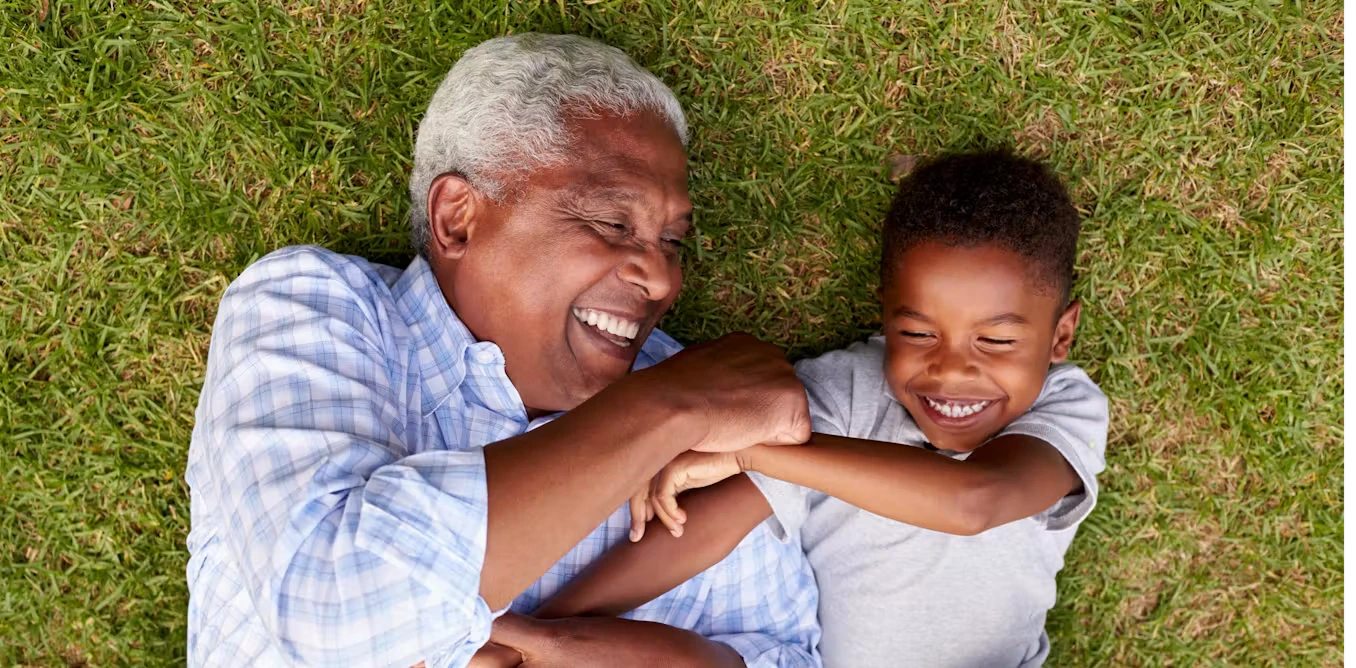
Let your children see you interact with older people: parents, grandparents and neighbours, in a calm, friendly, polite and courteous way as often as possible. Your example will go a long way.
Children learn what respectful relationships look like by watching the adults closest to them.
How to apply it: When you speak with an elder on the phone, let your child observe the warmth in your tone. When you visit a relative, model the greeting you expect first.
2. Explain Why Elders Deserve Respect, Not Just That They Do
The single most important shift is moving from “respect your elders because I said so” to “respect your elders because of what their years represent.” Children ages 7–11 need to understand this concretely, not abstractly.
How to apply it: “Grandma grew up in a very different world. When we listen to her, we learn things we couldn’t learn anywhere else.” Connect specific elders to specific wisdom, not elders as an abstract concept.
3. Teach the Specific Behaviours, Not Just the Principle
Respect is not a feeling, it is a set of learnable behaviours. If children are not expected to greet grandparents with eye contact at home, they will not know to do it for a teacher or neighbour.
How to apply it: Role-play specific scenarios like: greeting a grandparent, waiting to speak in adult conversation, responding when an elder asks a question. One behaviour at a time, practised at home, becomes natural in the world.
4. Teach Respectful Disagreement as a Skill
This is the strategy most missing from traditional “respect your elders” teaching and the one that most directly protects confidence. Parents who over-emphasise obedience, discouraging children from speaking their minds for fear of rudeness, risk producing adults who cannot advocate for themselves.
How to apply it: Teach the language of respectful disagreement: “I understand what you’re saying, but I see it differently, may I share why?” Practise it at home. Let your child use it on you sometimes. Model receiving it gracefully.
5. Distinguish Respect From Physical Compliance
Forcing a child to hug, kiss or sit on an elder’s lap when they are uncomfortable in the name of respect teaches something deeply harmful: that their physical boundaries matter less than an adult’s expectations.
Teaching children to respect elders does not mean we cannot also teach children to respect themselves particularly when it comes to protecting them. These two forms of respect are not in conflict.
How to apply it: Teach your child that warm respect can look like; a wave, a smile, a hello, a handshake. Frame it positively: “There are many ways to show someone you are glad to see them.” Never override a child’s discomfort about their own body for social compliance.
6. Give Your Child a Voice at Home
When parents go after their children’s hearts instead of outward compliance, deep lasting respect is the natural result.
A child who practises using their voice respectfully at home brings that same skill into every other relationship.
How to apply it: Create regular spaces where your child’s opinion is genuinely invited and considered. Explain your reasoning when you make decisions they disagree with. When they make a good point, say so. You are not losing authority, you are building a child who knows how to engage with it respectfully.
7. Use Stories to Show Both Values in Action
Stories can show a character being both deeply respectful and genuinely confident at the same time without it feeling contradictory. When a child reads about a character who greets an elder warmly, then calmly says “I don’t agree with that, and here is why,” they see both values in one person. That is the template you are building.
This is the vision at the heart of the 101 Shapes of Manners series showing children that respect and confidence are not a trade-off. They are what a person of good character looks like.
“Respect for others and respect for yourself come from the same place. Teach a child both, and you have given them something they can use for life.”
[Related Reading: Core Values to Teach Children: 5 Best Lessons (Ages 7–11)]
Key Takeaway: The 7 strategies: modelling, explaining the why, teaching specific behaviours, respectful disagreement, separating respect from physical compliance, giving children a voice, and using stories build a child who is both genuinely courteous and genuinely confident.
The Behaviours That Look Disrespectful but Are Not
Not everything that challenges adult authority is disrespect. Knowing the difference protects you from shutting down the confidence you are trying to build.
Asking “why?” A child who ask why is thinking. This is a sign of healthy cognitive maturity – answer the question. “Because I said so” teaches compliance; a real answer builds respect through understanding.
Expressing a different opinion. “I don’t think that’s fair” is self-advocacy. The manner in which the opinion is expressed matters, the fact that they said it does not.
Saying no to physical affection. Declining a hug from a relative is healthy bodily autonomy. It is self-respect and worth protecting even when socially uncomfortable.
Disagreeing with a peer in front of adults. Intellectual integrity is not disrespect. Encourage them to do so kindly, not to stay silent.
When Elders Are Wrong, How to Handle It
This is the question most parenting guides avoid but it is the most important one for raising a child who is both respectful and safe.
Elders are not always right. A child taught to hold both respect and self-advocacy as values is equipped for this. A child taught only compliance is not.
How to prepare your child:
- “We listen to elders carefully. We also know that everyone, including adults can sometimes be wrong.”
- “If anyone ever does or says something that feels wrong, you are always allowed to say no and come to me.”
- Make it clear that coming to you is always safe, they will never be in trouble for speaking up
Appropriately assertive children push back when adults are wrong, speak out against bullying, and respectfully disagree even with parents. This is not a problem. This is the goal.
The Bottom Line
Teaching children to respect elders is not in conflict with raising a confident child. Taught well, respect for others and confidence in oneself grow from the same root: the understanding that every person including yourself has inherent worth.
The child you are raising can greet every elder with warmth, listen attentively, disagree respectfully and still know that their own voice matters. That is not a contradiction, that is character.
📖 Be the First to Discover 101 Shapes of Manners
The 101 Shapes of Manners is a brand-new illustrated social-emotional learning fiction series for children ages 7–11, bringing values like respect, confidence, kindness and empathy to life through characters children see themselves in.
Because a child who knows how to treat others well and who knows their own worth is a child ready for anything.
👉 [Join the Waitlist Now] — Get exclusive early access and be the first to know when we launch.
Frequently Asked Questions
How do I teach my child to respect elders without making them too submissive?
Teach respect as a value rooted in understanding, not compliance. Explain why elders deserve respect; their experience, their wisdom rather than simply requiring it. Simultaneously teach respectful disagreement: your child can honour an elder and still express a different view calmly. A child who understands both is neither submissive nor rude, they are socially intelligent.
What is the difference between respect and obedience in children?
Obedience is behavioural compliance driven by consequences. Respect is an internal orientation genuinely valuing another person’s worth and dignity. Obedience can be enforced; respect must be built. A child obedient out of fear behaves correctly when supervised but has no internal compass. A child who is genuinely respectful behaves well in every room because it reflects who they are, not who is watching.
Can a child be respectful and still speak up for themselves?
Yes, and this is one of the most important things to communicate clearly. A child who says “I understand your perspective, but I see it differently” is showing both values at once. What is disrespectful is tone; aggression, contempt, dismissiveness. A different opinion, a question, a polite refusal that is healthy self-expression, not disrespect.
How do I handle it when a relative expects my child to hug or kiss them and my child does not want to?
The child’s bodily autonomy must come first. Teach your child that warmth can look like a wave, a smile, a greeting. Brief family members privately if needed: “We are teaching our child that they choose how they show affection.” A child who learns that their body is always theirs carries that lesson into every social situation they will ever face.
Why do children become less respectful of elders as they get older?
Research suggests this often happens when children have been taught compliance rather than genuine respect. Compliance driven by fear of consequences weakens as children develop autonomy and understand they have a choice. Genuine respect, built through understanding and relationship, tends to deepen as children get older and can engage with elders more meaningfully. If respect is declining in your child, the question to ask is not “how do I enforce it?” but “have they understood why it matters?”
How do I model respect for elders to my child?
Let your child see you interact with older people – parents, grandparents, neighbours with warmth, patience and genuine interest. Greet elders by name or title, listen when they speak, ask about their lives. Every time your child watches you treat an older person with care, you are teaching them something no lesson could replicate.
101 Shapes of Manners is an upcoming illustrated social-emotional learning fiction series for children ages 7–11. Join the waitlist to be the first to access the series when it launches.